

SINEMA TRANSTOPIA
Sheri Hagen, Germany 2025, 108 Min., German Followed by a talk with Sheri Hagen
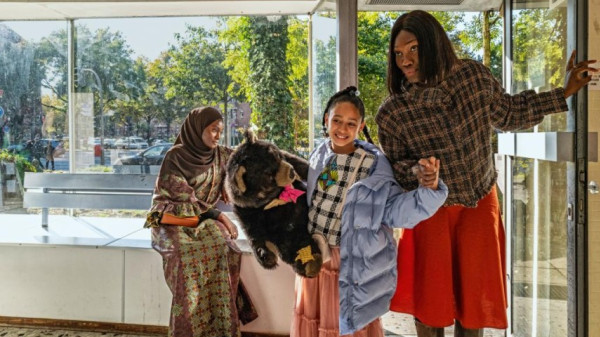
In this fast-paced, tragicomic chamber piece, two close friends decide to take destiny into their own hands. Nina and Angie are inseparable, navigating life’s daily hurdles side by side. When Angie’s teenage daughter, Rahel, urgently needs €300 for a school trip, the pair head to the bank where Nina’s husband, Marc, works to ask for a small loan.
However, Marc’s cold refusal causes Angie to lose her temper, triggering a sequence of events that spirals rapidly out of control. Before they know it, the two women find themselves trapped inside the branch, mistakenly targeted as dangerous bank robbers in a hilarious and high-stakes misunderstanding.


SINEMA TRANSTOPIA
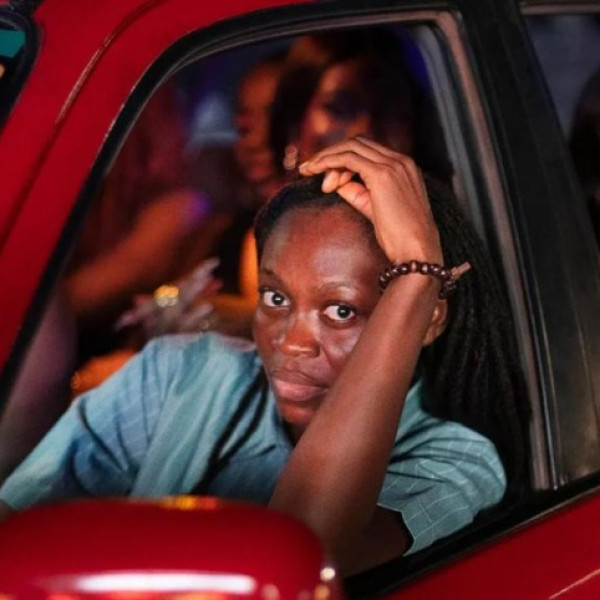
Olive Nwosu, Nigeria, UK , English, Pidgin-English with English subtitles
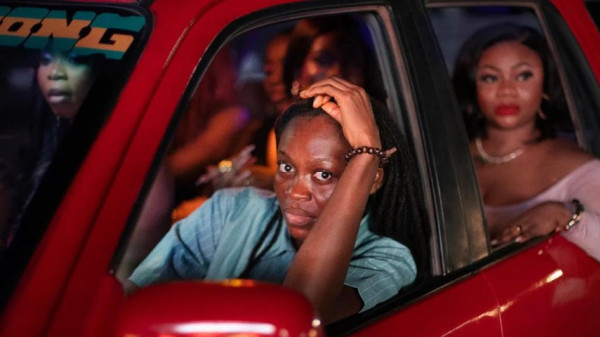
Lady is one of the few female taxi drivers in Lagos. With grit and stamina, she navigates the nights of the Nigerian metropolis, saving every penny to finally escape the city’s chaos. Her plan begins to falter when her childhood friend Pinky resurfaces. Now working as a sex worker, Pinky quickly draws Lady into her vibrant yet risky world. Soon, Lady is driving a group of vibrant women through Lagos’s nightlife underworld. What starts as prejudice grows into a wild, tender friendship. Yet the deeper Lady sinks into this world, the more dangerous the nights become. Confronted with old wounds, she is forced to face her past trauma. Instead of fleeing as planned, she must make a decision that redefines her understanding of true freedom.
SINEMA TRANSTOPIA
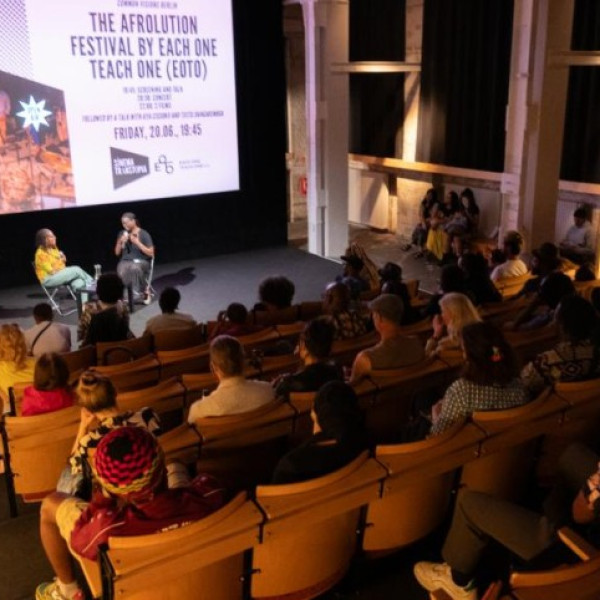
Panel discussion with Karina Griffith, Yagi Taffere and Enoka Ayemba, moderated by Sheri Hagen.
Film is more than a cultural product – it is a social space. This panel examines the relationship between film, community and festival: how do films bring people together, and how do communities in turn shape the medium? Drawing on grassroots and international A-festival perspectives, the conversation asks how communities influence programming and formats – and how Community Spirit can be strengthened without becoming a marketing gesture.
Karina Griffith is an artist, curator and Professor of Intersectional Image and Media Theory at the UdK Berlin, and has been part of the curatorial team of the Berlinale's Forum Expanded section since 2021.
Yergalem »Yagi« Taffere is a Berlin-based Eritrean-born filmmaker, photographer and performer whose work centres the narratives of Black women and girls.
Enoka Ayemba is an independent film curator, film critic, and festival consultant, as well as a member of the selection committee for the Pan-African Film Festival (FESPACO).
SINEMA TRANSTOPIA
Toto Bissainthe
Sarah Maldoror, Frankreich, 1985, 4 min. French with English subtitles
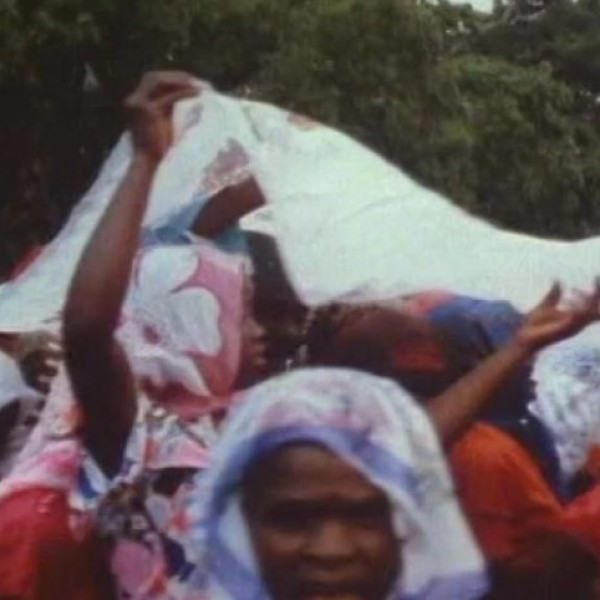
La ronde des vodù : en hommage au peuple haïtien (The Voodoo Dance: A Tribute to the People of Haiti) Elsie Haas, Haïti, 1987, 52 min. Creole with English subtitles
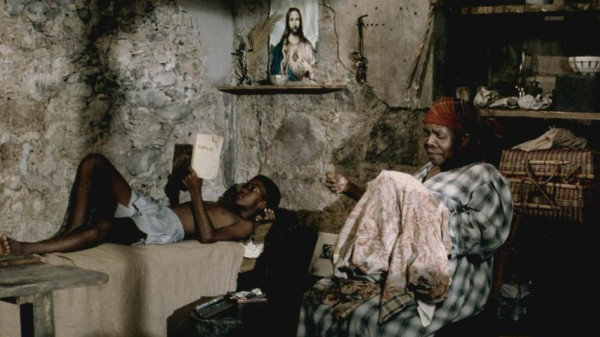
Sarah Maldoror, the first woman of color to direct a feature film, is widely revered as the matriarch of African cinema—a medium she treated as a vital tool for political struggle and liberation. In her short film documentary Toto Biss52ainthe, Maldoror turns her lens toward the legendary Haitian singer and actress. The film highlights a deep-seated creative connection: back in the 1960s, both women, alongside visionary figures like Samb Makharam and Timité Bassori, were core members of "Les Griots," a groundbreaking theatrical ensemble that redefined Black dramatic arts.
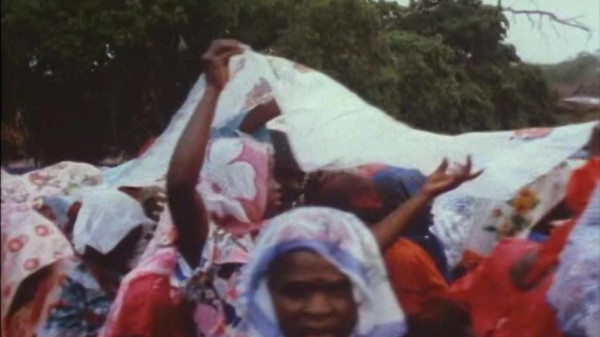
The voodoo dance offers an in-depth exploration into the role of Voodoo in Haitian culture from the perspectives of Voodoo priests, government officials, historians and politicians. Attacked by Western clerics and declared a "superstition" by law in 1935, Voodoo has always been a source of empowerment for the average Haitian. And scholars argue that despite the exploitation, romanticization and vilification of voodoo, it remains an authentic and stabilizing cultural base of everyday Haitian society.
SINEMA TRANSTOPIA
Et les chiens se taisaient (And the Dogs Were Silent)
Sarah Moldoror, France, 1974, 12 min. French with English subtitles
La Machette et le Marteau (The Machete and the Hammer)
Gabriel Glissant, Guadeloupe, 1975, 70 min. Creole
Followed by a talk with Fanny Glissant and Annabelle Aventurin
A recording of excerpts from a play by Aimé Césaire, in which the Rebel expresses himself in a long, painful poem before the Mother, shouting his revolt against the enslavement of his people. The two actors, Gabriel Glissant and Sarah Maldoror, perform in the storage rooms of the Musée de l’Homme dedicated to sub-Saharan Africa, incorporating three spectators into their performance as silent witnesses. A few images of wooden statues and masks from the reserves, as well as glimpses of Martinican landscapes, punctuate the film.
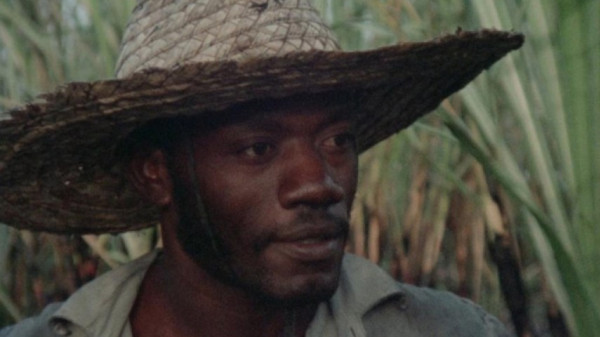
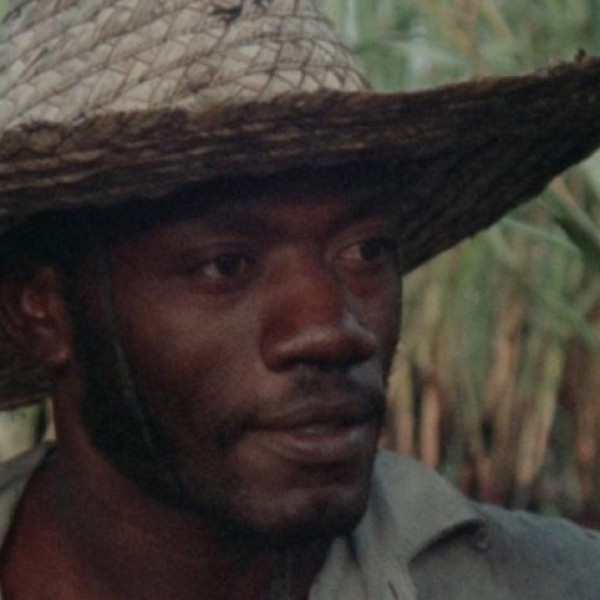
La Machette et le Marteau is a groundbreaking 1975 documentary filmed during the sugar cane workers' strikes in Guadeloupe. Widely recognized as the first authentically Afro-Caribbean film, it delivers a raw and unvarnished portrait of the island thirty years after departmentalization.
Through direct accounts from the cane cutters themselves, the film explores their harsh working conditions and the driving forces behind their resistance. It offers a critical examination of Guadeloupe's complex social hierarchy, shedding light on the agricultural and industrial proletariat as they unite to challenge foreign economic monopolies and reclaim their autonomy.
Fanny Glissant is a French documentary film producer, writer and daughter of Gabriel Glissant, director of La Machette e le Marteau.
Annabelle Aventurin is a film archivist and curator, specialising in restoration with a focus on African and Afrodiasporic films.
SINEMA TRANSTOPIA
Johanne Gomez Terrero, Dominican Republic, Spain 2024, 91 Min., Spanish with German subtitles
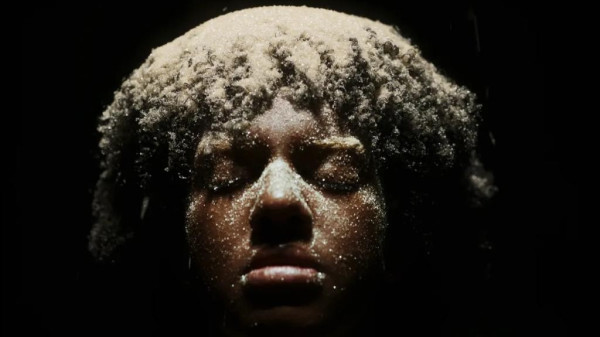
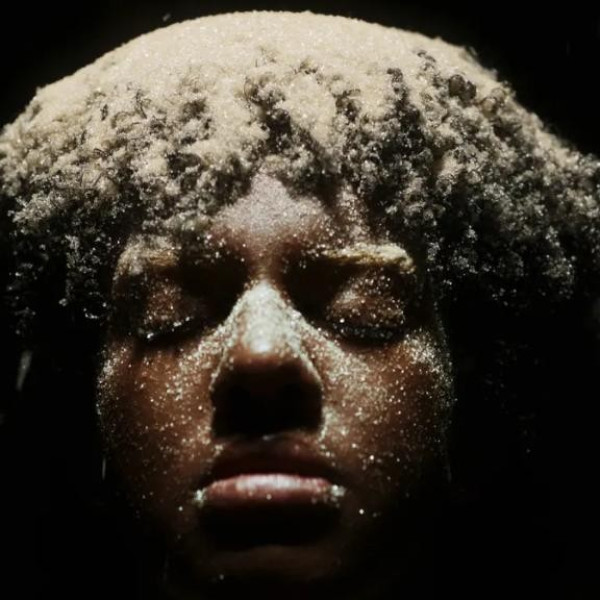
Sugar is far more than just a sweetener—it embodies a history of colonization, exploitation, and human resistance. Visually striking, this film blends documentary, fiction, and theater into a powerful work that opens up vast room for reflection.
At its center is young Makenya, who lives on a Caribbean sugar plantation. When she becomes unexpectedly pregnant, she embraces her fate and, alongside her family, fights against the daily injustices they face.
Political and stylistically impressive cinema that unites themes we all too often view in isolation.